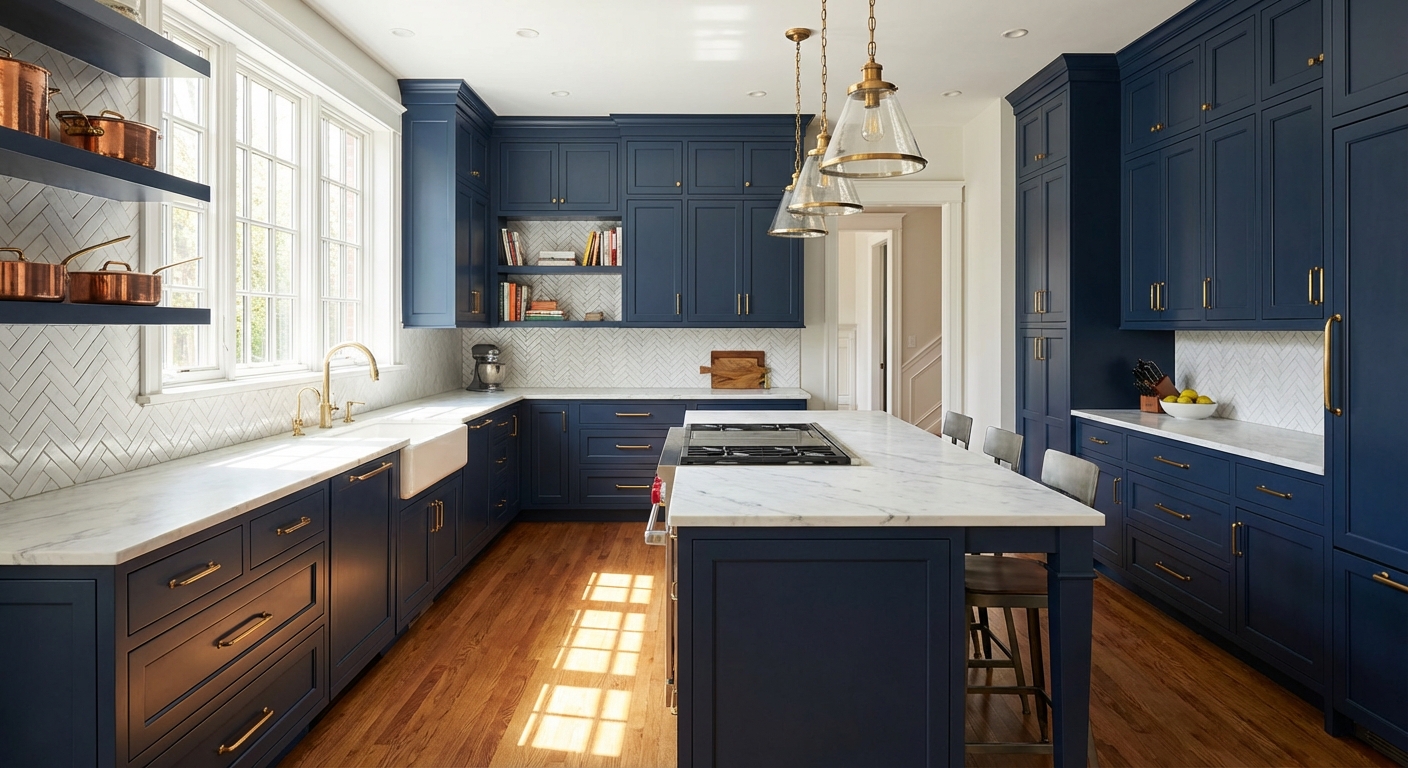
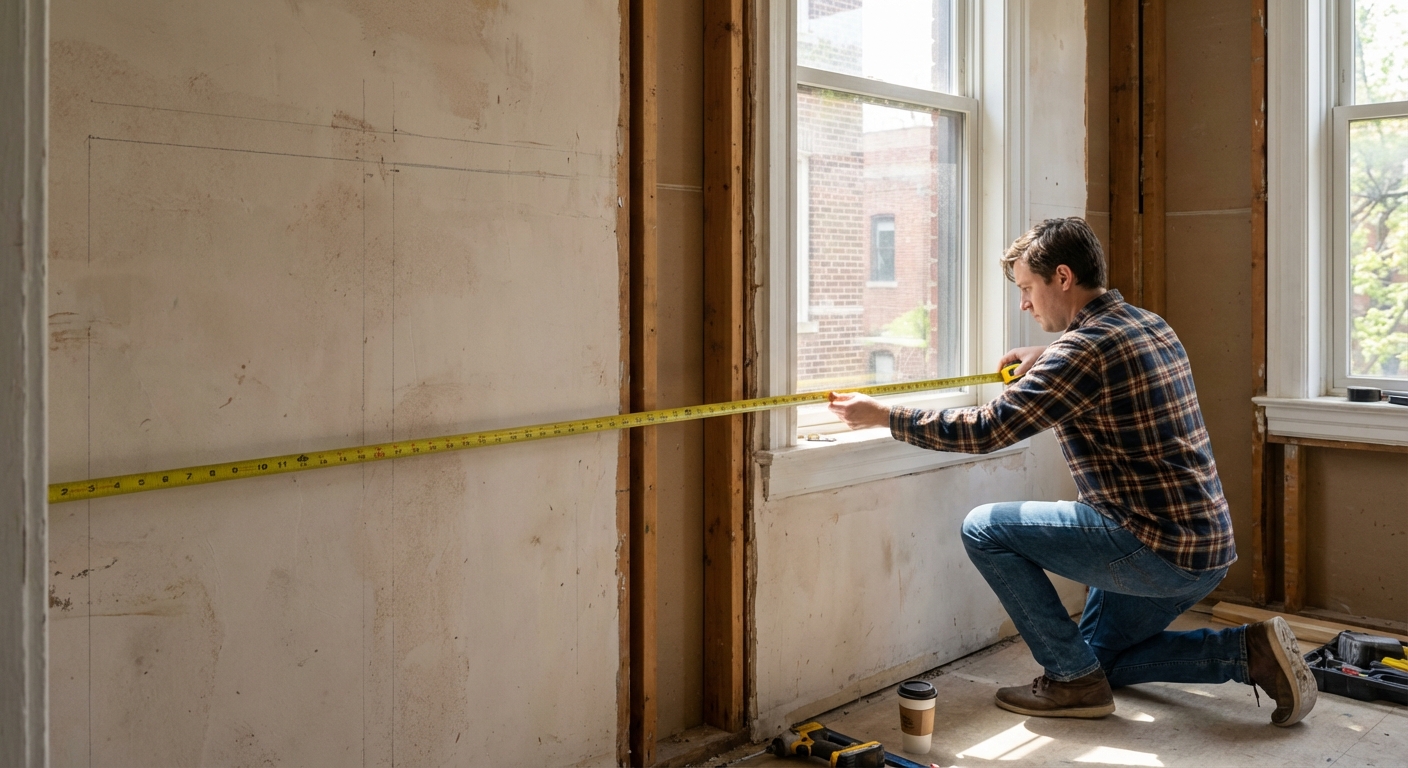
Every kitchen project I design eventually hits the same question: are soft-close hinges actually worth the extra cost? After eight years of specifying hinges for Chicago kitchens—and seeing how both types hold up through brutal winters, humid summers, and daily family use—I have a clear answer. But the right choice depends on your budget, your household, and how long you plan to stay in your home. Here is an honest breakdown.
What Exactly Is the Difference?
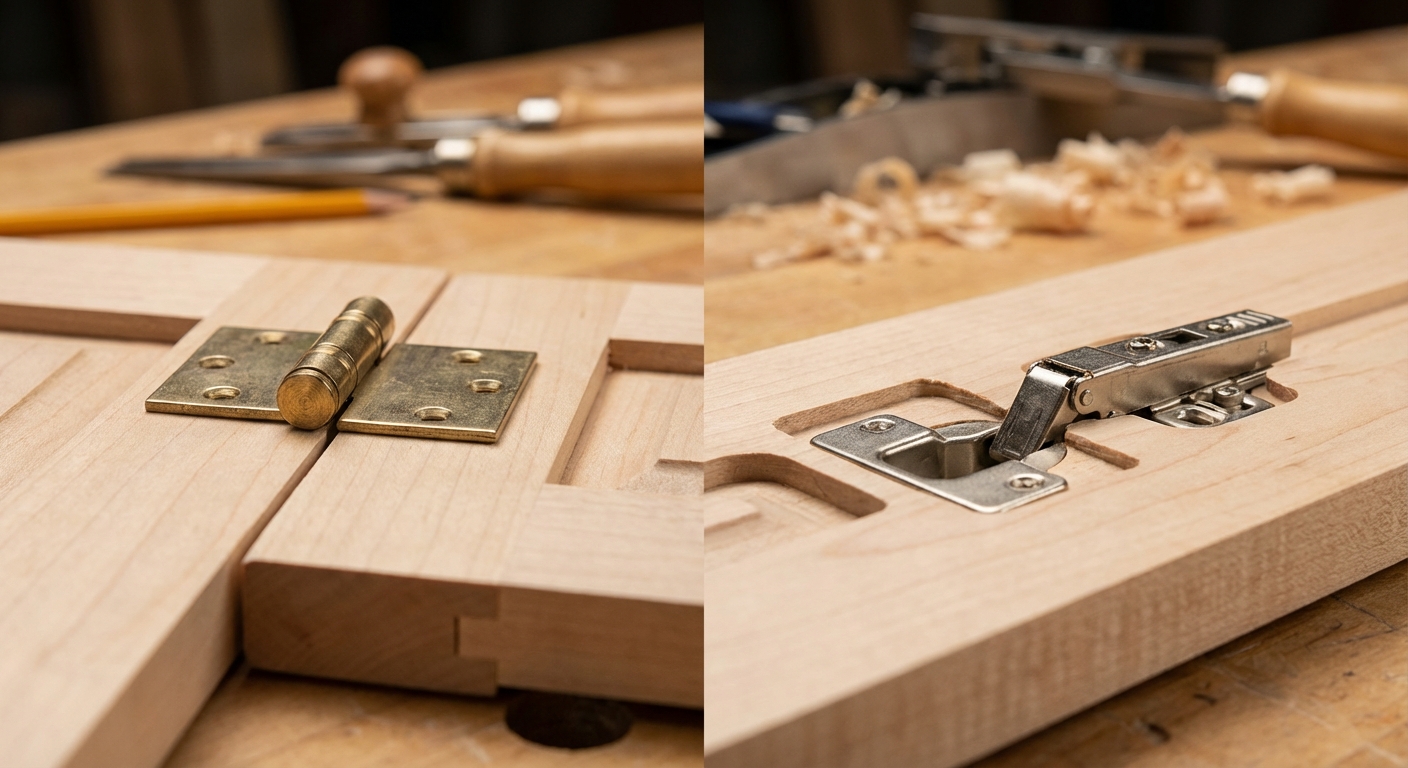
Standard hinges are simple mechanical pivots. You close the door, and it swings shut with whatever force you apply. If you push hard, it slams. Most standard hinges are the exposed "butt hinge" type you see on older Chicago bungalows and two-flats.
Soft-close hinges contain a small hydraulic damper built into a concealed European-style cup hinge. When the door reaches roughly the last 15 degrees of travel, the damper catches and pulls it shut silently. No slamming, no bouncing. The mechanism is entirely hidden inside the cabinet box.
Cost Comparison: What You Actually Pay
Standard hinges run $2–$5 per hinge. A typical kitchen with 20 cabinet doors needs about 40 hinges, so you are looking at $80–$200 in hardware. Soft-close concealed hinges cost $5–$12 per hinge for quality brands, putting that same kitchen at $200–$480. The premium for a full kitchen averages $150–$300 extra—roughly the cost of a single nice dinner out for two in Lincoln Park.
At AK Cabinet Craft, we use Blum hinges from Austria as our standard. They fall in the $8–$10 range per hinge and carry a lifetime warranty from the manufacturer. When I factor that into a full cabinet project starting from $2,999, the hinge upgrade is a small fraction of the total investment.
Durability in Chicago's Climate
Chicago kitchens deal with wide temperature and humidity swings. Winter heating dries the air to 15–20% humidity; summer pushes it past 60%. This cycling causes wood cabinet doors to expand and contract, putting stress on hinge mechanisms. Standard hinges handle this fine mechanically, but the repeated slamming they allow accelerates wear on the door itself—loose screws, cracked panels, and chipped finishes.
Soft-close hinges absorb that impact energy. In my experience, cabinets with soft-close hardware show noticeably less wear at the five-year mark. The Blum CLIP top hinges we install are rated for 200,000 opening cycles, which translates to roughly 20+ years of heavy daily use.
Have questions? Call me at (224) 808-5100 or schedule a consultation.
Noise: A Bigger Deal Than You Think
If you live in a Chicago condo or a vintage two-flat with shared walls, cabinet slamming is not just annoying—it echoes. I have had clients in Lakeview and Lincoln Park specifically request soft-close hinges because their open-concept layouts mean every kitchen sound carries into the living room. Families with early risers or shift workers benefit the most. Standard hinges in a quiet 6 a.m. kitchen sound like gunshots.
Safety for Families with Kids
This is where the comparison becomes one-sided. Soft-close hinges eliminate finger-pinching almost entirely. The damper slows the door to a crawl before it closes, giving small fingers time to move. I have designed kitchens for dozens of young families across Chicago's North Side, and every single one has chosen soft-close after I demonstrate the mechanism. Standard hinges offer zero protection.
Aesthetics and Design Flexibility
Concealed soft-close hinges are invisible when the door is closed. This gives you clean lines on both overlay and inset cabinet styles. Standard exposed hinges can work for farmhouse or industrial looks, but they limit your design options. If you are going for a modern, transitional, or classic shaker aesthetic—which covers about 80% of the kitchens I design—concealed soft-close is the clear winner visually. Explore our custom kitchen cabinet options to see how this looks in practice.
When Standard Hinges Still Make Sense
I believe in being honest: soft-close is not always necessary. Standard hinges are a reasonable choice if you are renovating a rental property on a tight budget, restoring a historic kitchen where exposed period hardware is part of the design, or building utility cabinets in a garage or basement. For a primary kitchen where you cook daily, though, I recommend soft-close every time.
Retrofitting: Can You Upgrade Later?
Yes, but with caveats. If your cabinets already have European-style concealed hinges, swapping to soft-close versions is straightforward—same mounting holes, 10 minutes per door. If you have old-style exposed hinges, the conversion requires drilling new holes, patching old ones, and sometimes modifying the face frame. It is doable, but the labor cost often makes it smarter to plan for soft-close from the start. Check our project gallery for examples of kitchen upgrades where we handled this transition.
My Honest Recommendation
For any Chicago kitchen you plan to use for five or more years, soft-close hinges are worth it. The $150–$300 premium protects your cabinet investment, eliminates noise, improves safety, and adds resale appeal. At AK Cabinet Craft, our team has completed 1,300+ projects, and I can count on one hand the number of clients who chose standard hinges for their primary kitchen and did not regret it later. The company maintains a 5.0 Google rating, and a big part of that comes from getting details like hardware right.
Frequently Asked Questions
How long do soft-close hinges last?
The Blum hinges I specify are tested to 200,000 cycles. In a typical household opening a cabinet 20–30 times per day, that is over 20 years. I have never had to replace a Blum soft-close hinge due to mechanical failure on any project.
Do soft-close hinges require maintenance?
Almost none. I recommend wiping the hinge cup with a damp cloth once a year and checking the mounting screws every two years. No lubrication needed—the damper is a sealed unit.
Can soft-close hinges be adjusted after installation?
Yes, and this is a major advantage. Quality European hinges offer three-way adjustment—up/down, left/right, and in/out—using just a screwdriver. This means doors stay perfectly aligned even as wood expands and contracts through Chicago's seasons.
Are soft-close hinges compatible with heavy cabinet doors?
Blum hinges are rated for doors up to approximately 17 pounds depending on the model. For particularly heavy solid wood doors, I specify reinforced versions or add a third hinge. In eight years, I have never encountered a door that could not be paired with the right soft-close hinge.
Will soft-close hinges increase my home's resale value?
Soft-close hardware is now expected in mid-range and higher Chicago kitchens. Buyers notice it immediately during open houses. While I cannot put an exact dollar figure on the return, real estate agents I work with consistently list it as a feature that helps kitchens feel modern and well-built.
Ready to Get Started?
If you are planning a kitchen project in Chicago and want to see the difference soft-close hinges make in person, visit our showroom at 2650 N Halsted St, Chicago, IL 60614. I will walk you through Blum's hinge lineup and help you choose the right option for your cabinets, style, and budget. Contact us today or call (224) 808-5100 to schedule a free design consultation.