Chicago condo kitchens demand creative cabinet solutions that maximize every square inch. Whether located in a vintage Lakeview walkup, a Gold Coast high-rise, or a converted West Loop loft, condo kitchens share common challenges: limited square footage, fixed plumbing locations, and building regulations that restrict renovation options. The right cabinet strategy transforms these compact spaces into highly functional cooking environments without sacrificing style.
Understanding Chicago Condo Kitchen Challenges
Condo kitchens present specific constraints that affect cabinet planning:
Size limitations average 60-100 square feet in most Chicago condos—roughly half the size of suburban kitchens. Every cabinet must earn its space through smart design and organization.
Fixed infrastructure creates layout restrictions. Moving plumbing costs $1,500-5,000 and may require HOA approval. Electrical modifications face similar constraints. Working within existing footprints saves money and approval headaches.
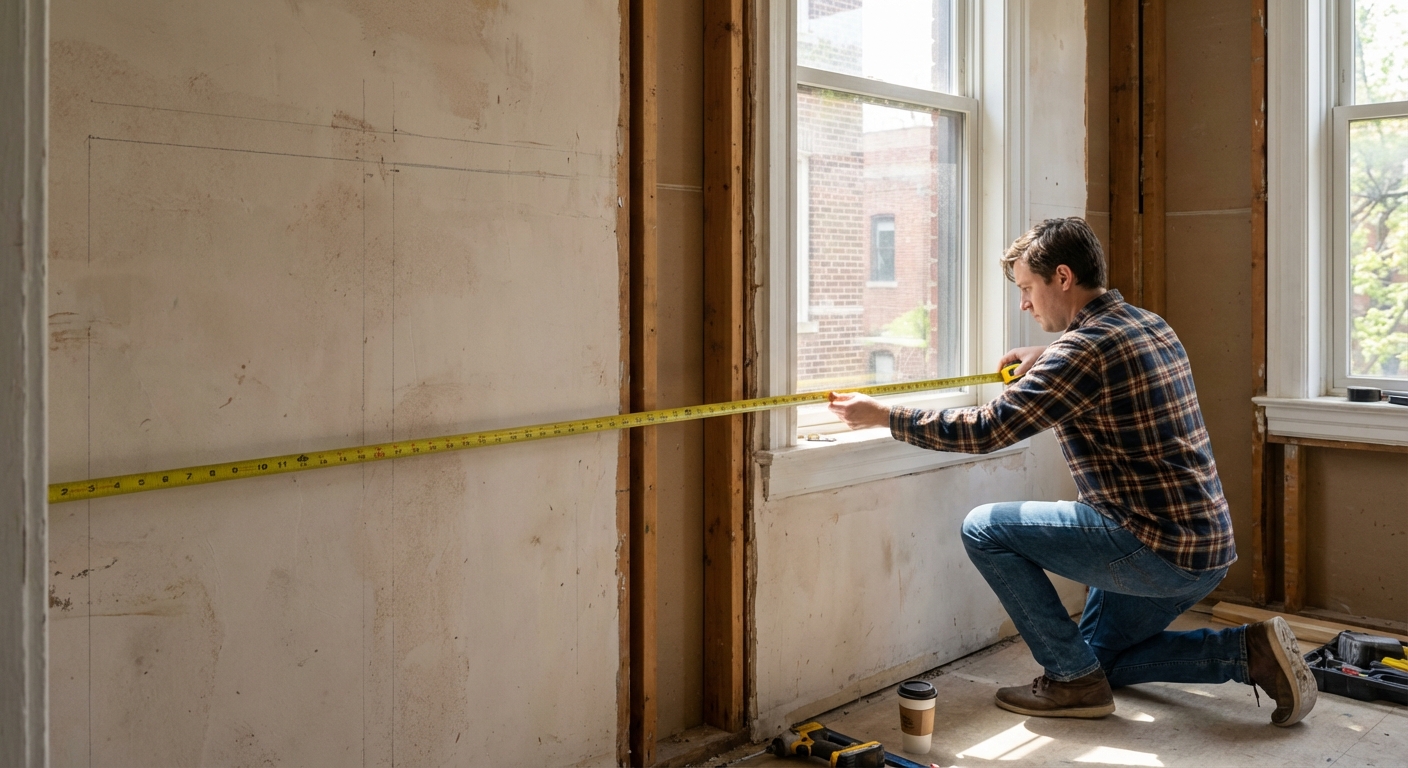
Building regulations vary by association. Some HOAs restrict construction noise hours, require contractor insurance documentation, or mandate specific materials. Understanding requirements before ordering prevents delays.
Shared walls and floors limit certain modifications. Load-bearing walls cannot be removed. Noise considerations affect installation scheduling. Neighbors may need notification for extended work.
Ceiling heights vary dramatically. Vintage buildings may have 10-12 foot ceilings offering vertical storage opportunities. Modern high-rises often feature standard 8-9 foot ceilings requiring different approaches.
Cabinet Layouts That Work in Condos
Certain configurations maximize condo kitchen efficiency:
Galley layouts use two parallel walls efficiently. Common in vintage Chicago condos. Optimal for single cooks with clear workflow from refrigerator to sink to stove. Maintain 42-48 inch aisle width for comfortable movement.
L-shaped layouts fit corner spaces well. Allow dining area or small island at open end. Popular in newer construction. Corner cabinet solutions become critical for maximizing storage.
Single-wall layouts consolidate everything along one wall. Typical in studios and open-concept condos. Require tall cabinets and creative organization to compensate for limited linear feet.
Peninsula layouts extend from a wall creating partial room division. Provide additional counter space and storage without requiring floor clearance of full islands. Good compromise for mid-sized condos.
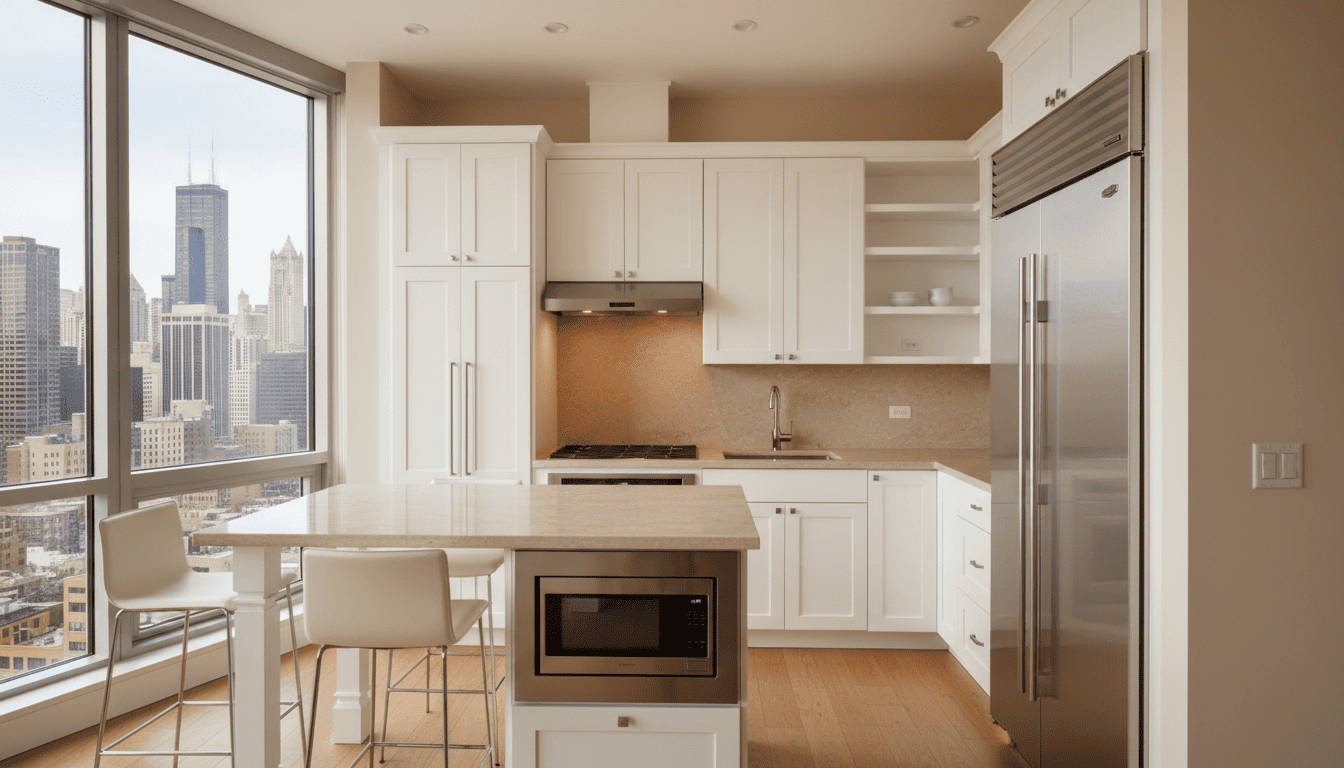
Small islands work in condos with adequate floor space. Require minimum 36-inch clearance on all sides (42 inches preferred). Provide prep space, storage, and often seating.
Vertical Storage Strategies
Height becomes the primary expansion opportunity:
Extend cabinets to ceiling regardless of ceiling height. Upper cabinet space above standard 84-inch installations wastes valuable storage. Use this area for seasonal items, entertaining supplies, and occasional-use equipment.
Tall pantry cabinets provide enormous capacity in minimal floor space. A 24-inch wide, 96-inch tall pantry stores more than six standard upper cabinets while occupying only 4 square feet of floor area.
Stacked wall cabinets create two tiers of upper storage. Lower tier at standard height for daily items. Upper tier accessed by step stool for occasional items. Maximizes walls in galley configurations.
Above-refrigerator cabinets designed for actual use add significant storage. Deep pull-out shelves make these typically inaccessible spaces functional.
Open shelving above upper cabinets displays items while adding character. Works well in loft-style condos with industrial aesthetics.
.png)
Need expert advice? Call (224) 808-5100 for free consultation and measurement.
Space-Saving Cabinet Features
Specialty components multiply storage capacity:
Pull-out pantry units transform narrow spaces (as small as 6 inches wide) into functional storage. Multiple shelves slide out for full visibility and access.
Corner solutions rescue dead space:
- Lazy Susans provide 70-80% accessibility to corner contents
- Blind corner pull-outs maximize space but cost more
- Magic corners bring rear items forward automatically
- Diagonal cabinets eliminate awkward dead corners
Drawer organization inserts prevent cluttered junk drawers. Customized dividers for utensils, spices, and tools keep everything visible and accessible.
Door-mounted organizers add storage without taking shelf space. Ideal for cleaning supplies, foils and wraps, and spice storage.
Appliance garages hide small appliances while keeping them accessible. Counter-depth cabinets with roll-up or swing doors maintain clean countertops.
Tip-out trays below sink convert false drawer fronts into functional sponge and soap storage.
Pull-out trash and recycling eliminates floor cans that consume limited floor space.
Cabinet Styles for Chicago Condos
Style choices affect both aesthetics and perceived space:
Shaker cabinets work universally across condo styles. Clean lines complement both vintage and modern architecture. The simple profile avoids visual clutter that makes small spaces feel cramped.
Flat-panel (slab) doors create seamless contemporary looks. Particularly effective in modern high-rises and converted lofts. Integrated handles or touch-latch hardware maintain clean lines.
Glass-front uppers add depth without weight. Break up solid cabinet walls visually. Display attractive items while keeping less attractive ones hidden behind solid doors.
Open shelving reduces visual weight. Mix with closed cabinets strategically—open for display, closed for clutter-prone items. Consider dust accumulation in your decision.
Light colors expand perceived space. White, cream, and pale gray reflect light and make compact kitchens feel larger. Dark cabinets work only in condos with exceptional natural light.
High-gloss finishes reflect light but show fingerprints. Matte and satin finishes prove more practical for high-use condo kitchens.
Color and Finish Strategies
Strategic choices enhance small spaces:
Monochromatic schemes create visual flow. Same color cabinets, walls, and backsplash make boundaries less defined, expanding perceived space.
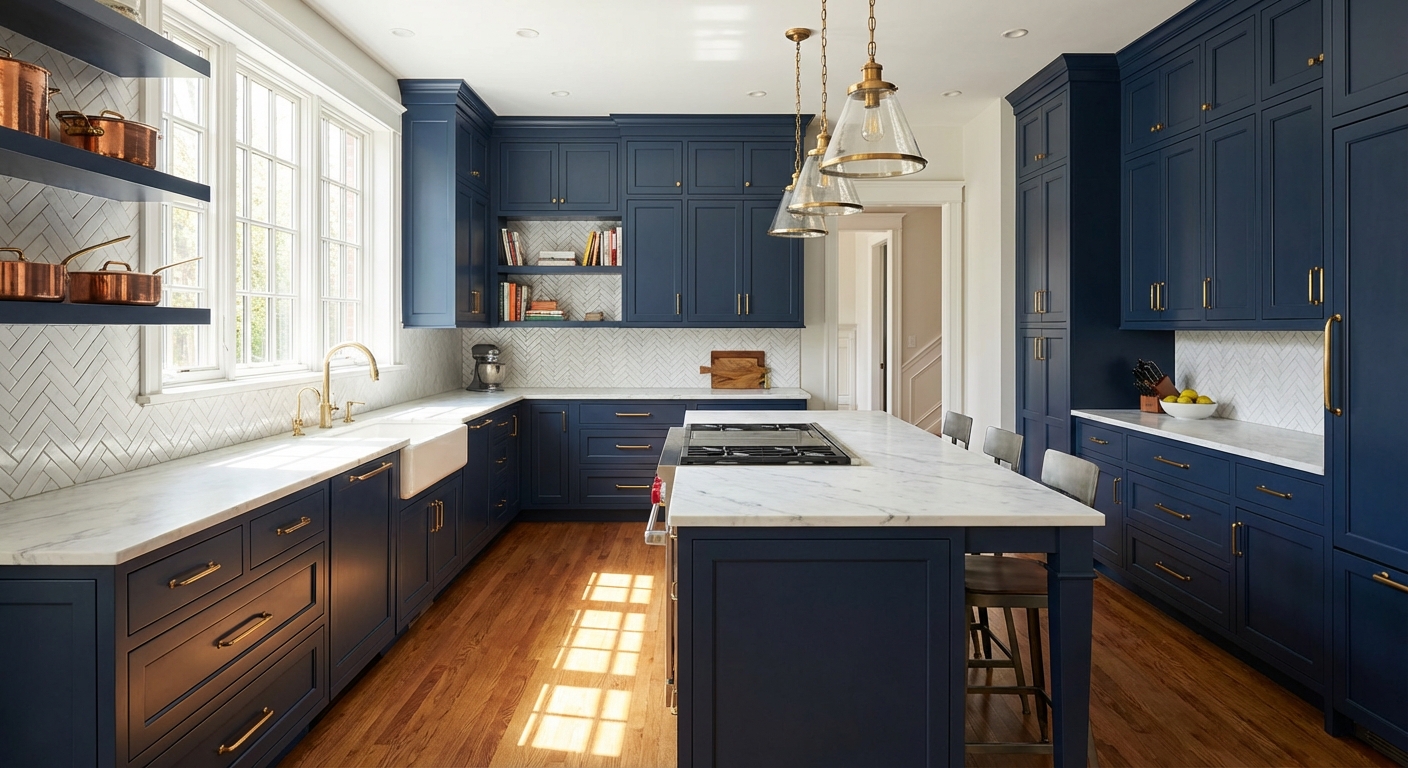
Contrast creates focal points. Use restraint—one accent color or material rather than multiple competing elements. Navy island with white perimeter or wood-tone range hood against white cabinets.
Reflective surfaces bounce light. Glass backsplashes, glossy countertops, and metallic accents increase brightness in kitchens with limited windows.
Continuous hardware finish throughout unifies the space. Matching cabinet pulls, faucet, and lighting fixtures creates cohesion.
Condo-Specific Installation Considerations
Building requirements affect project planning:
HOA approval processes vary from simple notification to architectural committee review. Submit plans early—approval can take 2-6 weeks.
Insurance requirements often mandate contractor liability and workers' compensation coverage. Verify your installer carries required documentation.
Construction hour restrictions typically limit work to weekday business hours. Some buildings prohibit Saturday work entirely. Plan installation timeline accordingly.
Elevator reservations may be required for material delivery. Schedule in advance—popular times book quickly.
Noise notification to neighbors maintains good relationships. Most HOAs require written notice of construction projects.
Building access for contractors requires coordination with management or doorstaff. Provide installer information in advance.
Floor protection during installation prevents damage to common area carpeting and personal flooring. Professional installers bring appropriate protective materials.
Condo Kitchen Cabinet Costs
Investment levels for Chicago condo market:
Compact condo kitchens (40-60 sq ft): $8,000-18,000 for quality semi-custom cabinets including installation. Smaller footprint means fewer cabinets but often higher per-cabinet costs due to custom sizing.
Standard condo kitchens (60-80 sq ft): $12,000-25,000 for comprehensive cabinet packages. Most common range for Chicago condo renovations.
Large condo kitchens (80-120 sq ft): $20,000-40,000 for extensive cabinet systems with islands and specialty storage.
Luxury high-rise kitchens: $35,000-75,000+ for custom cabinetry with premium materials and integrated appliances.
Custom sizing typically adds 15-25% versus standard cabinet dimensions. However, custom sizing eliminates filler pieces and maximizes actual storage—often providing better value in space-constrained condos.
Frequently Asked Questions
Q: What is the best cabinet layout for a small condo kitchen?
A: Galley and L-shaped layouts work best in most condo kitchens. Both maximize wall space while maintaining efficient work triangles. Single-wall layouts suit open-concept condos where kitchen visibility matters.
Q: How can I maximize storage in a condo kitchen?
A: Extend cabinets to ceiling height, incorporate tall pantry units, use pull-out organizers in base cabinets, add door-mounted storage, and choose drawer bases over door bases for easier access to contents.
Q: Do I need HOA approval for cabinet replacement?
A: Most HOAs require notification at minimum. Many require formal approval, especially if work involves plumbing, electrical, or structural modifications. Check your building's specific requirements before scheduling work.
Q: What cabinet color makes small kitchens look bigger?
A: Light colors (white, cream, pale gray) reflect light and expand perceived space. Consistent color between cabinets and walls enhances the effect. Reserve dark colors for accents only in small kitchens.
Q: How long does condo cabinet installation take?
A: Installation typically requires 2-3 days for most condo kitchens. HOA restrictions on work hours may extend the timeline. Add 3-6 weeks prior for design, ordering, and HOA approval processes.
Get Started
Condo kitchens deserve cabinet solutions designed for their unique constraints. Free consultations include professional measurement, space-maximizing design concepts, and guidance on HOA approval processes.
AK Cabinet Craft has completed 200+ condo kitchen projects throughout Chicago—from vintage Lakeview walkups to downtown high-rises. Visit either showroom to see space-saving solutions in person.
Schedule Your Free Consultation:
- Call: (224) 808-5100
- Visit: Lincoln Park or Bucktown showroom
- Online: akcabinetcraft.com/contacts