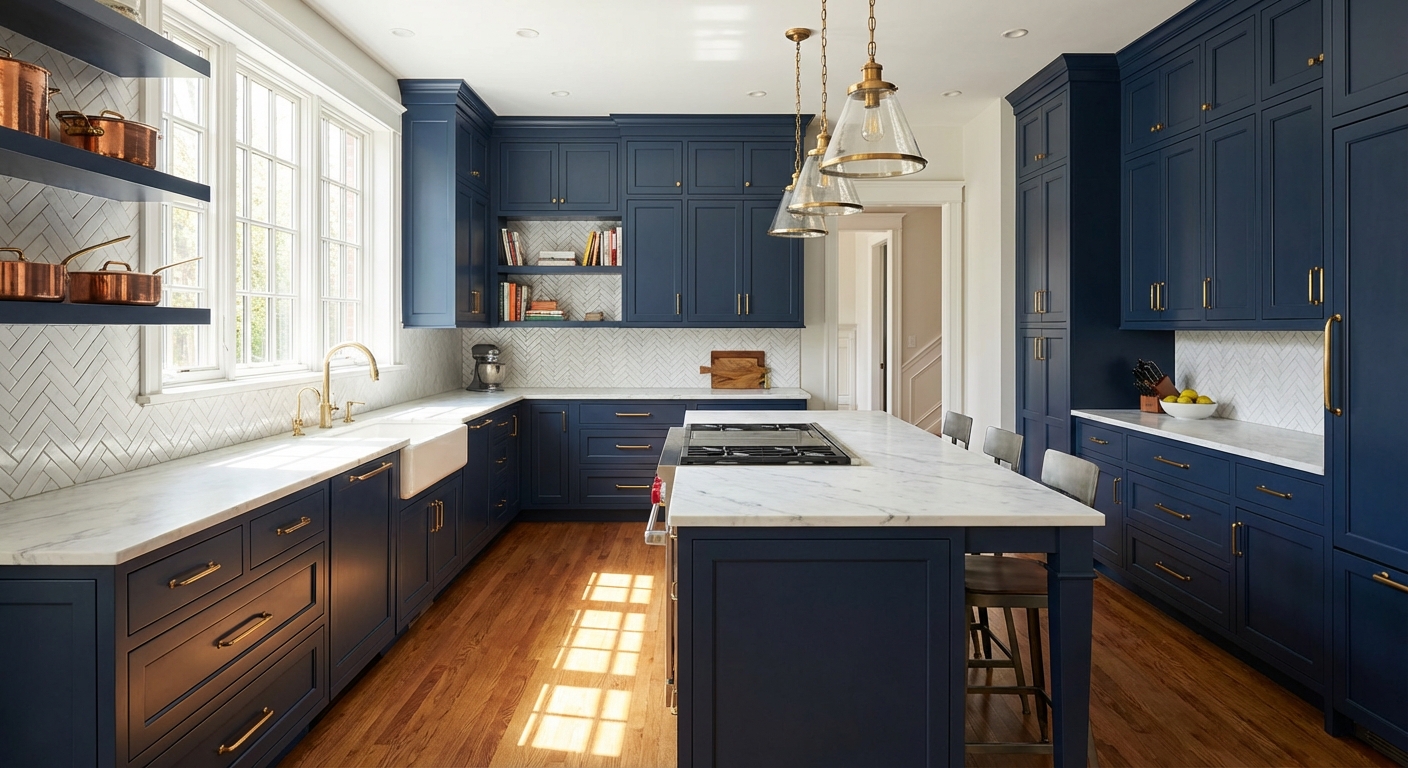
Visiting kitchen cabinet showrooms transforms abstract decisions into tangible experiences. Seeing cabinet quality firsthand, comparing finishes under proper lighting, and opening drawers reveals differences that photos and websites cannot convey. Chicago offers numerous showroom options from big-box retailers to specialty cabinet dealers—each providing different experiences and serving different market segments. Knowing what to expect and how to prepare maximizes showroom visit productivity.
Why Showroom Visits Matter
In-person evaluation reveals critical details:
Material quality becomes apparent immediately. Plywood versus particle board, solid wood versus MDF, quality hardware versus budget alternatives—all obvious when examined directly. Photos hide construction differences that hands-on inspection reveals.
Finish quality shows in person. Paint smoothness, stain depth, glaze consistency, and edge finishing quality visible under showroom lighting. Online images often mask imperfections or misrepresent colors.
Hardware function demonstrates daily experience. Soft-close drawers, hinge quality, and door alignment differences become clear through actual use. Opening and closing cabinets multiple times reveals longevity indicators.
Scale and proportion clarify design choices. Seeing 42-inch versus 36-inch upper cabinets in actual kitchens shows the visual impact. Door styles appear different at full size than in small samples.
Design expertise access varies by showroom. Some offer professional designers; others provide minimal guidance. Understanding what help is available affects where to invest time.
Types of Chicago Cabinet Showrooms
Different venues serve different needs:
Big-Box Retailers (Home Depot, Lowe's, Menards)
- Stock and semi-custom options
- Limited display kitchens
- Sales staff with varying expertise
- Competitive pricing on budget options
- DIY-friendly purchasing process
Kitchen Specialty Stores
- Broader selection of cabinet lines
- Multiple quality levels displayed
- Trained kitchen designers on staff
- Design services often included
- Mid-range to premium pricing
Custom Cabinet Showrooms
- Highest quality materials and construction
- Extensive customization options
- Professional design consultation
- Longer lead times
- Premium pricing reflects craftsmanship
Manufacturer-Direct Showrooms
- Single brand focus
- Complete product line displayed
- Factory-trained representatives
- Sometimes better pricing without middleman
Design Center Showrooms
- Multiple product categories (cabinets, countertops, tile)
- One-stop shopping convenience
- Trade professional focus
- Appointment often required
What to Bring to Showroom Visits
Preparation improves productivity:
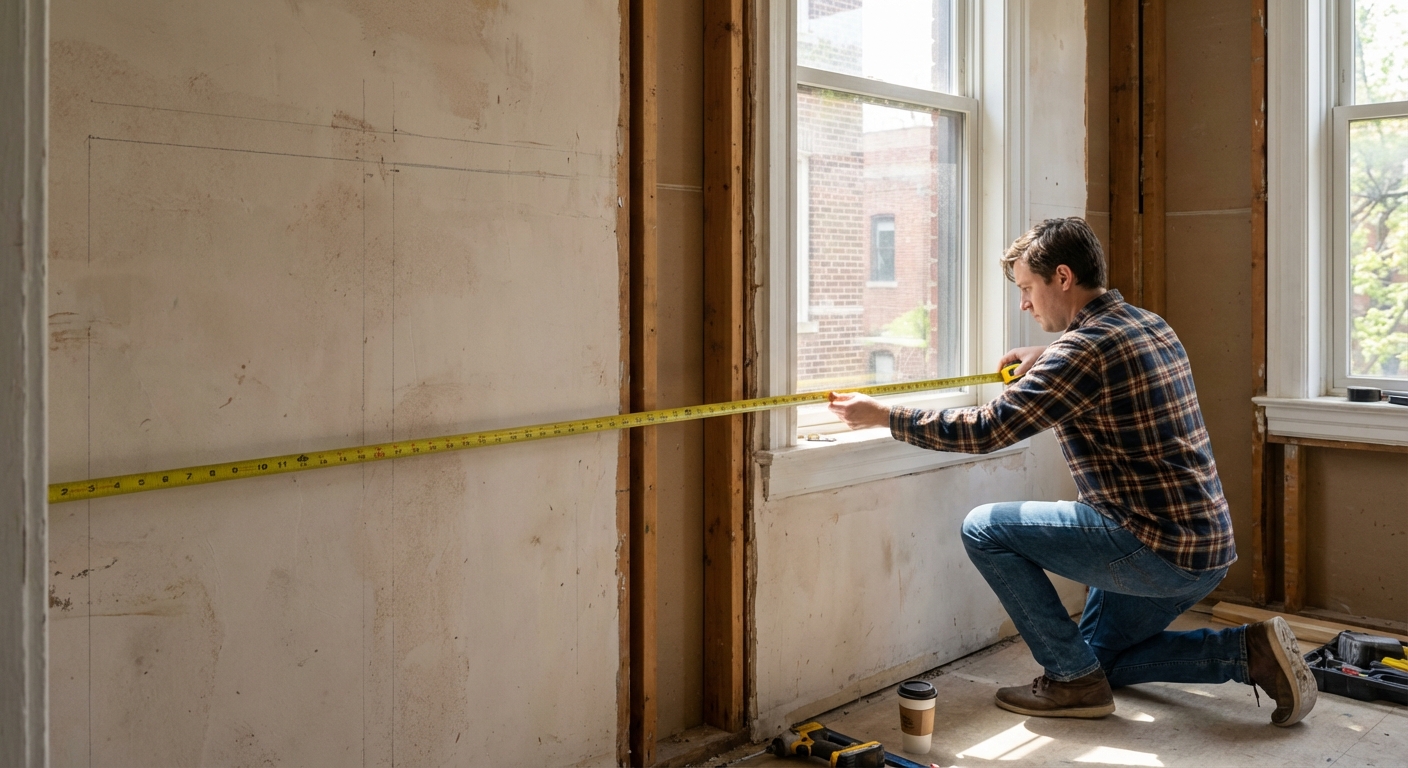
Kitchen measurements essential:
- Overall room dimensions
- Window and door locations
- Appliance positions and sizes
- Ceiling height
- Any obstacles (pipes, soffits, angles)
Inspiration images help communication:
- Save photos of kitchens you like
- Note specific elements that appeal
- Include examples of what you dislike
- Phone gallery or Pinterest board works well
Budget parameters guide discussions:
- Know your cabinet budget range
- Understand total kitchen budget
- Be realistic about expectations
- Prepared to discuss financing if needed
Existing samples if matching required:
- Current cabinet door if matching finish
- Flooring or countertop samples
- Paint chips from adjacent rooms
- Hardware you're considering
.png)
Timeline information:
- Desired project start date
- Must-complete-by deadlines
- Flexibility in scheduling
- Other project dependencies
Need expert advice? Call (224) 808-5100 for free consultation and measurement.
Questions to Ask at Cabinet Showrooms
Essential inquiries reveal important differences:
Construction questions:
- What material are the cabinet boxes? (Plywood preferred)
- What material are the doors and drawer fronts?
- What brand hardware is used? (Blum, Hettich indicate quality)
- Are drawer boxes dovetailed or stapled?
- What is the cabinet box thickness?
Customization questions:
- Can cabinets be sized to my exact dimensions?
- What finish options are available?
- Can I modify interior configurations?
- Are specialty storage accessories available?
- Can you match existing finishes?
Service questions:
- Is design service included or additional cost?
- Do you provide professional measurement?
- Who handles installation—your crew or subcontractors?
- What is the typical lead time?
- Do you handle permits if required?
Warranty questions:
- What does the warranty cover?
- How long is the warranty period?
- What is the claims process?
- Does warranty transfer to new homeowners?
- What is excluded from coverage?
Pricing questions:
- Can I get a detailed quote in writing?
- Are there package discounts?
- What payment terms do you offer?
- Is financing available?
- What deposits are required?
Evaluating Cabinet Quality In Person
Hands-on assessment reveals construction quality:
Door and drawer inspection:
- Open and close multiple times—smooth operation?
- Soft-close function consistent?
- Door alignment even across all samples?
- Drawer slides extend fully?
- Weight and solidity appropriate?
Finish examination:
- View under multiple light angles
- Check inside corners for finish quality
- Examine edges for coating completeness
- Look for brush marks, drips, or inconsistencies
- Compare similar colors across different doors
Construction details:
- Look inside cabinet boxes
- Check how backs are attached
- Examine corner construction
- Assess shelf support systems
- Verify adjustability of components
Hardware quality:
- Brand names visible on hinges?
- Hinge adjustment screws accessible?
- Drawer slide weight ratings posted?
- Quality of pulls and knobs?
- Mounting hardware included?
Comparing Multiple Showrooms
Systematic evaluation aids decision-making:
Create comparison criteria:
- Construction quality: materials, methods
- Style selection: variety, appeal
- Customization options: flexibility
- Service level: design help, responsiveness
- Pricing: value, transparency
- Timeline: lead times, installation scheduling
- Warranty: coverage, duration
Document each visit:
- Take photos (ask permission first)
- Collect brochures and samples
- Get written quotes when possible
- Note salesperson names and contact info
- Record your impressions immediately
Request comparable quotes:
- Same or similar cabinet specifications
- Equivalent accessories and features
- Matching installation scope
- Comparable warranty terms
- Written format for accurate comparison
Allow time between visits:
- Process information before next appointment
- Formulate follow-up questions
- Discuss with household decision-makers
- Avoid decision fatigue
Red Flags at Cabinet Showrooms
Warning signs suggest problems:
Sales pressure tactics:
- "Today only" pricing pressure
- Unwillingness to provide written quotes
- Discouraging competitor visits
- Vague answers to specific questions
- Pushing decisions before you're ready
Quality concerns:
- Showroom samples in poor condition
- Unable to show actual cabinet construction
- Evasive about materials and specifications
- No brand names on hardware
- Inconsistent information from different staff
Service issues:
- Difficulty scheduling appointments
- Long waits for quotes or follow-up
- Unclear about who handles installation
- No references available
- Poor online reviews consistently
Business stability questions:
- Very new with no track record
- Unable to verify licensing/insurance
- No physical showroom presence
- Cash-only payment requirements
- Unusually low pricing without explanation
Chicago Showroom Locations by Area
Geographic options across the region:
North Side and Lincoln Park
- Multiple specialty showrooms
- Design district concentration
- Premium and mid-range options
- Urban-focused designs common
West Loop and River North
- High-end design showrooms
- Architect and designer oriented
- Contemporary focus
- Trade-heavy but consumer-accessible
Suburban Options
- Larger showroom footprints
- More display kitchens
- Parking convenience
- Full range of price points
Big-Box Locations Throughout
- Convenient for initial browsing
- Stock options for comparison
- Entry-level reference point
- Multiple locations citywide
Making the Most of Showroom Time
Maximize visit effectiveness:
Schedule appointments when possible:
- Dedicated attention from staff
- Adequate time for questions
- Access to design professionals
- Less crowded environment
Visit during off-peak hours:
- Weekday mornings often quieter
- Avoid weekend afternoons
- Month-end may have motivated salespeople
- January-February slower season
Start broad, then narrow:
- Visit big-box first for baseline
- Explore specialty showrooms next
- Focus final visits on top contenders
- Return for follow-up questions
Bring decision-makers together:
- All household voices present
- Prevents miscommunication
- Speeds final decisions
- Shared experience builds consensus
Frequently Asked Questions
Q: How many cabinet showrooms should I visit?
A: Visit 3-5 showrooms representing different price points and types. Start with a big-box store for baseline, visit 2-3 specialty showrooms, and potentially one custom cabinet shop. More visits provide diminishing returns and create decision fatigue.
Q: Do I need an appointment to visit cabinet showrooms?
A: Big-box stores don't require appointments. Specialty showrooms appreciate appointments for dedicated designer time. Custom shops often require appointments. Call ahead to confirm hours and availability of design staff.
Q: Should I bring my contractor to showroom visits?
A: Not necessarily for initial visits. Once you've narrowed options, bringing your contractor helps verify specifications and installation requirements. Their input on material quality and workability adds value.
Q: How long does a typical showroom visit take?
A: Initial browsing visits take 30-60 minutes. Serious consultations with design discussions run 1-2 hours. Allow adequate time without rushing—cabinet decisions involve significant investment.
Q: Can I negotiate prices at cabinet showrooms?
A: Negotiation varies by venue. Big-box pricing is generally fixed. Specialty showrooms may offer flexibility on larger orders, especially toward month or quarter end. Custom shops negotiate based on project scope. Always ask about current promotions.
Get Started
Showroom visits bring kitchen visions to life. AK Cabinet Craft showrooms in Lincoln Park and Bucktown display complete kitchen setups with hands-on access to materials, hardware, and finish options.
Free design consultations include professional measurement, 3D renderings, and detailed quotes. No appointment necessary for browsing; appointments ensure dedicated designer time.
Schedule Your Free Consultation:
- Call: (224) 808-5100
- Visit: Lincoln Park (2650 N Halsted St) or Bucktown (2501 N Elston Ave) showroom
- Online: akcabinetcraft.com/contacts