.png)
Custom closets transform chaotic storage spaces into organized systems that simplify daily routines. Chicago homes present unique closet challenges—vintage properties with minimal original storage, condos with awkward layouts, and suburban homes with underutilized walk-in spaces. A well-designed custom closet maximizes every inch while accommodating specific wardrobe needs and lifestyle patterns.
Why Custom Closets Matter in Chicago
Chicago housing characteristics make custom closets particularly valuable:
Vintage homes built before 1950 often include small reach-in closets or no closets at all. Original builders assumed wardrobes would supplement minimal built-in storage. Modern clothing collections quickly overwhelm these spaces.
Condos and apartments frequently feature odd closet shapes—angled walls, sloped ceilings, or irregular dimensions that standard wire systems cannot address effectively.
Suburban homes often include large walk-in closets that waste space without proper organization. Builder-grade wire shelving fails to utilize available square footage efficiently.
Chicago's four-season climate requires storage for heavy winter coats, boots, seasonal accessories, and transitional clothing that other regions may not need.
Closet Types and Configurations
Different spaces require different approaches:
Reach-in closets measure 24-30 inches deep and vary in width from 3-8 feet. These standard bedroom closets benefit enormously from custom systems that maximize vertical space and create zones for different clothing types.
Walk-in closets provide 25+ square feet of dedicated storage space. Effective walk-in design includes multiple hanging heights, drawer systems, shoe storage, and often a center island or seating area.
Wardrobe closets function as freestanding or built-in armoires in rooms without traditional closets. Common in vintage Chicago apartments and converted loft spaces.
Mudroom closets and entry storage require durable materials and configurations designed for outerwear, bags, and seasonal gear rather than bedroom clothing.
Linen closets benefit from adjustable shelving, pull-out baskets, and divided sections for sheets, towels, and household supplies.
Custom Closet Design Elements
Effective closet systems incorporate multiple components:
Hanging sections accommodate different garment lengths:
- Double-hang sections (84 inches total): shirts, folded pants, jackets on top; shirts, blouses below
- Long-hang sections (60-72 inches): dresses, coats, robes, long garments
- Medium-hang sections (40-50 inches): suits, blazers, skirts
Drawer systems provide concealed storage for:
- Folded items (sweaters, t-shirts, jeans)
- Undergarments and socks
- Accessories (belts, ties, scarves)
- Jewelry and watches
Shelving serves multiple purposes:
- Adjustable shelves for folded clothing and bins
- Fixed shelves for handbags and stored items
- Pull-out shelves for easy access to stacked items
Specialty storage addresses specific needs:
- Shoe shelves (angled or flat)
- Belt and tie racks
- Valet rods for outfit planning
- Hamper pull-outs
- Safe compartments
Need expert advice? Call (224) 808-5100 for free consultation and measurement.
Materials for Chicago Closets
Material selection affects durability, appearance, and cost:
Melamine and laminate systems offer budget-friendly durability in various colors and wood-grain patterns. Quality laminate resists scratches and cleans easily. Ideal for reach-in closets and functional spaces.
Painted MDF provides smooth, consistent finishes in any color. More refined appearance than laminate with good durability. Popular for visible master closet installations.
Wood veneer over MDF combines wood aesthetics with stable construction. Quarter-sawn oak, walnut, and maple veneers create high-end appearances at lower cost than solid wood.
Solid wood construction represents the premium option for luxury closets. Walnut, cherry, and white oak provide lasting beauty and can be refinished if needed.
Hardware quality matters significantly:
- Soft-close drawer slides prevent slamming and extend component life
- Quality hinges on cabinet doors maintain alignment over years of use
- Durable hanging rods support heavy winter clothing without bowing
.png)
Chicago Climate Considerations
Local conditions influence closet design:
Humidity control matters in Chicago's variable climate. Cedar panels or blocks protect woolens from moths and absorb moisture. Proper ventilation prevents musty odors in enclosed spaces.
Seasonal rotation requires accessible storage for off-season items. Upper shelving, under-bed alternatives, or dedicated seasonal sections accommodate Chicago's distinct wardrobe requirements.
Winter gear storage needs specific attention. Heavy coats require sturdy hanging rods. Boot storage with drainage trays protects closet flooring. Glove and hat organization keeps accessories accessible.
Moisture-resistant materials perform better in basement closets or spaces with potential humidity issues common in older Chicago homes.
Walk-In Closet Design Principles
Larger spaces require thoughtful planning:
Traffic flow determines layout effectiveness. Minimum 36-inch clear pathways allow comfortable movement. 42-48 inches provides optimal accessibility.
Zone creation organizes clothing logically:
- Daily wear zone: most accessible location
- Occasional wear zone: slightly less accessible
- Seasonal storage zone: upper shelves or back areas
- Accessory zone: dedicated drawer and display areas
Lighting transforms walk-in functionality:
- LED strip lights inside cabinets and under shelves
- Motion-activated lighting for convenience
- Ambient lighting for overall illumination
- Task lighting near mirrors and dressing areas
Center islands in larger walk-ins provide:
- Drawer storage for folded items and accessories
- Display surface for jewelry and daily items
- Seating option when incorporated with bench design
- Visual anchor for the room
Small Closet Maximization Strategies
Limited spaces benefit from smart solutions:
Double hanging doubles capacity in standard reach-in closets. Most shirts, blouses, and folded pants fit in 40-inch sections.
Door-mounted storage adds capacity without using interior space. Shoe racks, accessory organizers, and mirror combinations utilize otherwise wasted door backs.
Vertical extension to ceiling height adds 30-40% more storage than standard 84-inch systems. Use upper areas for seasonal items and luggage.
Pull-out accessories make deep closet corners accessible. Valet rods, sliding racks, and pull-down hanging rods bring items to the user.
Slim drawer systems fit in narrow spaces. 12-inch deep drawers provide significant storage in tight reach-in configurations.
Custom Closet Costs in Chicago
Investment levels vary by scope and materials:
Basic reach-in systems: $800-2,000 for custom-fitted laminate solutions replacing wire shelving. Significant organization improvement at accessible price points.
Mid-range reach-in closets: $2,000-4,000 for painted finishes, soft-close drawers, and specialty accessories.
Basic walk-in systems: $3,000-6,000 for functional organization with laminate materials and essential accessories.
Mid-range walk-in closets: $6,000-12,000 for upgraded materials, extensive drawer systems, and comprehensive organization.
Premium walk-in closets: $12,000-25,000+ for luxury materials, custom millwork details, and integrated lighting systems.
Master suite closet projects in upscale Chicago neighborhoods frequently invest $15,000-35,000 for his-and-hers configurations with premium finishes.
Timeline and Installation Process
Understanding the process helps planning:
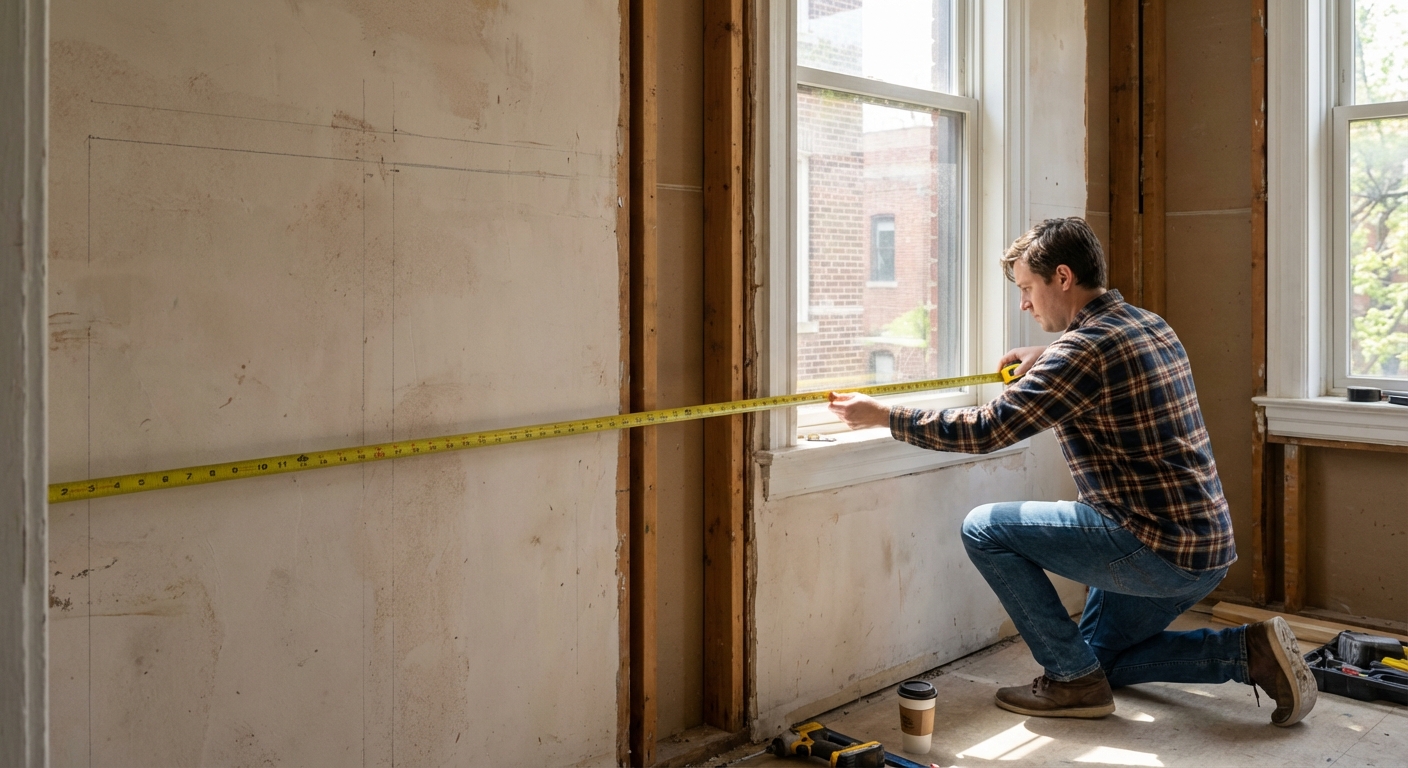
Design consultation (1-2 hours): Measure space, discuss needs, review lifestyle and wardrobe requirements.
Design development (3-7 days): Create detailed plans with 3D renderings showing finished appearance.
Production (2-4 weeks): Custom components built to specifications.
Installation (1-3 days): Professional installation with minimal disruption. Most closet installations complete in one day.
Total timeline: 3-6 weeks from initial consultation to finished closet.
Frequently Asked Questions
Q: How much does a custom closet cost in Chicago?
A: Custom closet costs range from $800-2,000 for basic reach-in systems to $12,000-25,000+ for premium walk-in closets. Most master closet projects fall in the $4,000-10,000 range.
Q: How long does custom closet installation take?
A: Installation typically requires 1 day for reach-in closets and 1-2 days for walk-in systems. The complete process from design to installation takes 3-6 weeks.
Q: What materials are best for closet systems?
A: Laminate offers durability and value for most applications. Painted MDF provides refined appearance. Wood veneer or solid wood creates luxury aesthetics for premium projects.
Q: Can custom closets be installed in rental apartments?
A: Freestanding wardrobe systems provide custom organization without permanent installation. Some custom systems can be designed for later removal, though this limits certain options.
Q: Do custom closets increase home value?
A: Organized closets rank among top features buyers seek. Quality closet systems typically return 50-70% of investment at resale while helping homes sell faster.
Get Started
Transform cluttered closets into organized systems designed for specific needs and spaces. Free in-home consultations include professional measurement, design concepts, and detailed pricing.
AK Cabinet Craft designs and installs custom closet systems throughout Chicago and surrounding suburbs. 5-year warranty on all closet installations.
Schedule Your Free Consultation:
- Call: (224) 808-5100
- Visit: Lincoln Park or Bucktown showroom
- Online: akcabinetcraft.com/contacts