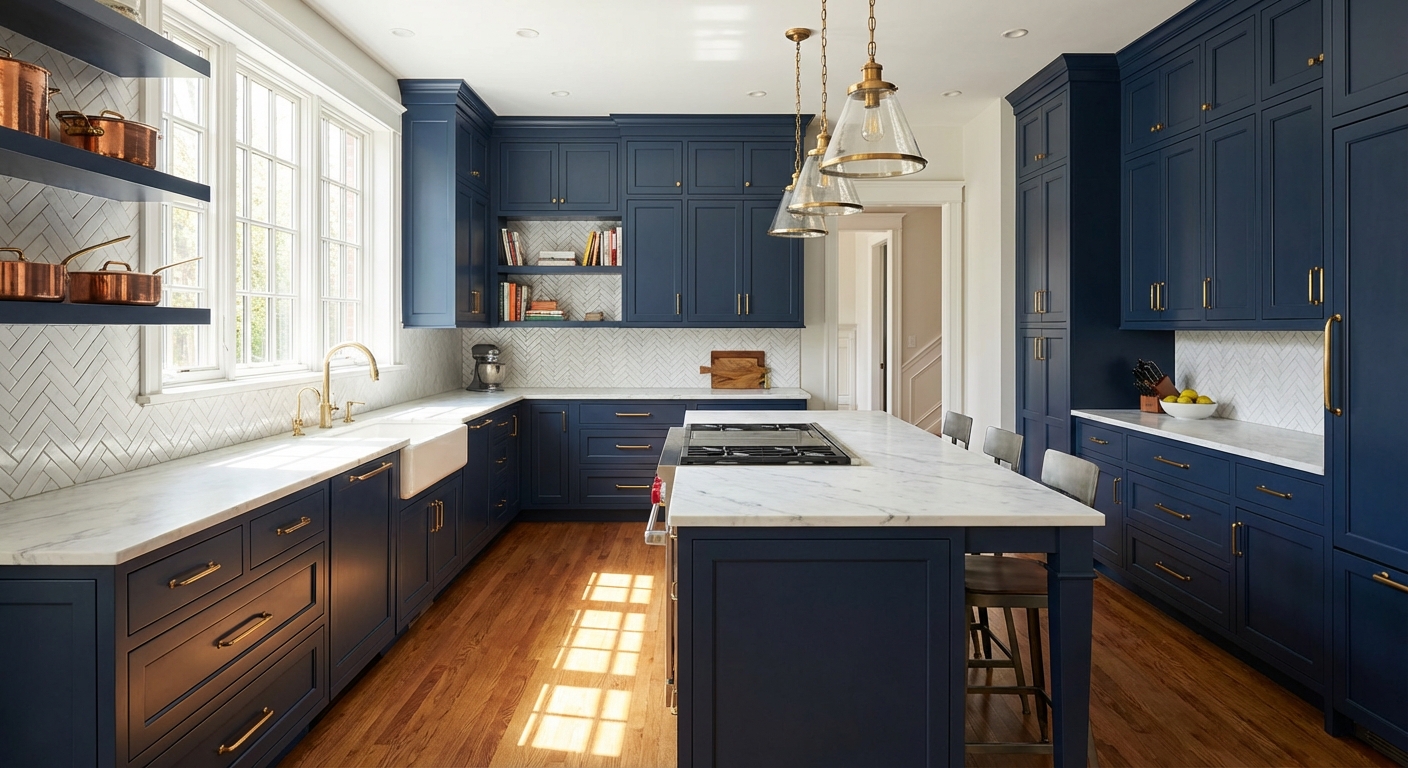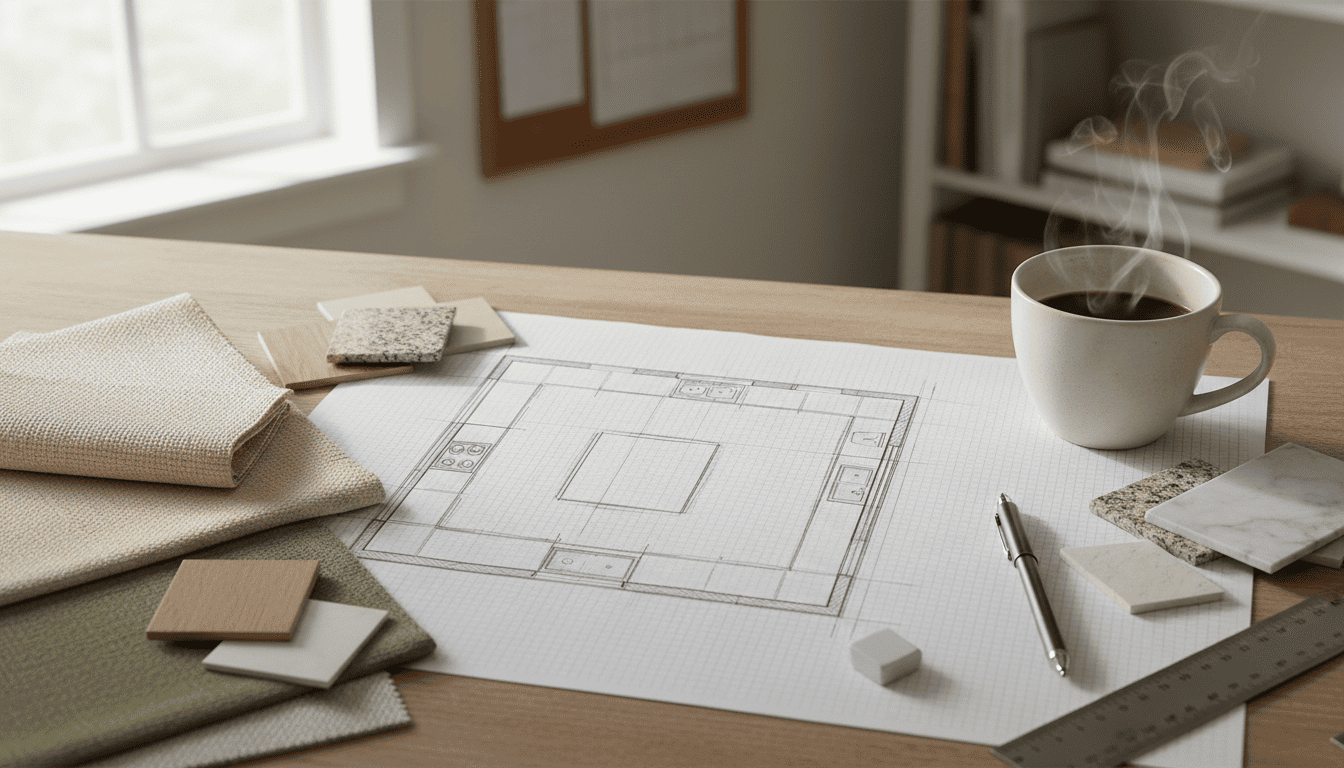
A well-planned kitchen cabinet layout determines how efficiently the space functions for years to come. Poor planning leads to awkward workflows, wasted space, and daily frustration. Good planning creates intuitive storage, smooth traffic patterns, and a kitchen that works as hard as the people using it. Chicago kitchens present specific layout challenges—compact vintage spaces, narrow galley configurations, and open-concept designs requiring careful zone planning.
Understanding Kitchen Layout Types
Five basic layouts form the foundation of kitchen design:
Galley kitchens feature two parallel walls of cabinets with a walkway between. Common in Chicago apartments, condos, and bungalows. Efficient for cooking but limited entertaining space. Optimal aisle width measures 42-48 inches.
L-shaped kitchens position cabinets along two perpendicular walls. Versatile layout accommodating dining areas or islands. Works well in medium-sized Chicago kitchens. Corner cabinet solutions become important.
U-shaped kitchens surround the cook on three sides with cabinets. Maximum storage and counter space. Requires larger footprint—minimum 10x10 feet for comfortable U-shape. Common in suburban Chicago homes.
One-wall kitchens place all cabinets and appliances along a single wall. Typical in studio apartments, lofts, and open floor plans. Limited storage requires creative solutions.
Island kitchens add a freestanding cabinet unit to any layout. Provides additional storage, workspace, and often seating. Requires minimum 42 inches clearance on all sides—36 inches absolute minimum.
The Kitchen Work Triangle
The work triangle concept positions three key work areas for efficient movement:
Refrigerator: Food storage and retrieval stationSink: Prep and cleanup stationCooktop/Range: Cooking station
Optimal work triangle guidelines:
- Each leg should measure 4-9 feet. Shorter creates cramped working conditions. Longer wastes steps and energy.
- Total triangle perimeter should measure 13-26 feet. Within this range, movement between stations feels natural.
- No leg should cross major traffic paths. Interruptions during cooking create safety hazards and frustration.
- The triangle should remain unobstructed by islands, tables, or other obstacles that impede direct movement.
Modern kitchen design sometimes modifies the traditional triangle for multiple cooks, adding second sinks or prep stations that create overlapping work zones.
.png)
Kitchen Zone Planning
Beyond the work triangle, zone organization improves daily function:
Consumables zone near the refrigerator stores food items, snacks, and beverages. Include a landing counter for grocery unloading.
Non-consumables zone houses dishes, glasses, and servingware. Position near the dishwasher for easy unloading. Close to dining area for table setting convenience.
Cleaning zone centers on the sink with trash, recycling, and cleaning supplies nearby. Under-sink organization maximizes this critical area.
Prep zone requires counter space between sink and cooktop. Store cutting boards, knives, mixing bowls, and prep tools within reach.
Cooking zone surrounds the range or cKitchen Zone Planning
Beyond the work triangle, zone organization improves daily function:
Consumables zone near the refrigerator stores food items, snacks, and beverages. Include a landing counter for grocery unloading.
Non-consumables zone houses dishes, glasses, and servingware. Position near the dishwasher for easy unloading. Close to dining area for table setting convenience.
Cleaning zone centers on the sink with trash, recycling, and cleaning supplies nearby. Under-sink organization maximizes this critical area.
Prep zone requires counter space between sink and cooktop. Store cutting boards, knives, mixing bowls, and prep tools within reach.
Cooking zone surrounds the range or cooktop. Pots, pans, cooking utensils, spices, and oils belong here. Heat-resistant landing space on both sides of the cooktop is essential.
Baking zone (if space allows) groups measuring tools, mixing equipment, baking pans, and ingredients together. Counter space for rolling and working dough.
Need expert advice? Call (224) 808-5100 for free consultation and measurement.
Cabinet Height and Placement Rules
Standard measurements ensure comfortable use:
Base cabinets measure 34.5 inches tall, reaching 36 inches with countertop. This height works for most users. Adjustments to 34 or 38 inches accommodate specific needs.
Upper cabinets typically hang 18 inches above countertops. This provides working space while keeping contents accessible. Range hoods may require 24-30 inch clearance above cooktops.
Upper cabinet height options:
- 30-inch cabinets: Standard, leaves space above
- 36-inch cabinets: Additional storage, may require step stool
- 42-inch cabinets: Maximum storage, reaches typical 8-foot ceilings
Tall cabinets (84-96 inches) work as pantries, oven housings, or broom closets. Position at ends of cabinet runs to avoid breaking up counter space.
Corner cabinets require 36-inch minimum from corner on each wall to function properly. Blind corner, lazy Susan, or diagonal configurations each have advantages.
Storage Planning by Cabinet Type
Different cabinets serve different storage needs:
Drawer bases work best for:
- Utensils and cooking tools
- Pots, pans, and lids
- Food storage containers
- Linens and towels
Door bases suit:
- Large appliances (stand mixers, food processors)
- Cleaning supplies under sink
- Trash and recycling pull-outs
- Items used less frequently
Upper cabinets store:
- Dishes and glasses (near dishwasher)
- Food items (near refrigerator)
- Spices (near cooktop)
- Occasional-use items on higher shelves
Specialty cabinets solve specific problems:
- Pull-out pantry for narrow spaces
- Appliance garage for counter clutter
- Tray dividers for baking sheets
- Spice pull-outs beside range
Chicago Kitchen Layout Considerations
Local housing characteristics affect layout planning:
Bungalow and greystone kitchens often measure 10x10 feet or smaller. Galley and L-shaped layouts maximize these compact spaces. Every inch matters—custom sizing eliminates wasted filler space.
Condo kitchens may have fixed plumbing and electrical locations. Working within existing infrastructure significantly reduces renovation costs. Moving a sink or adding a gas line adds $1,500-5,000 to projects.
Open floor plans common in modern Chicago condos and renovated homes require cabinet layouts that function from multiple viewing angles. Island placement and upper cabinet decisions affect sightlines to living areas.
Vintage apartment kitchens sometimes lack standard dimensions. Walls may not be square, floors not level. Custom cabinets accommodate these realities better than stock options.
Common Layout Mistakes to Avoid
Prevent these planning errors:
Insufficient counter space beside appliances: Minimum 15 inches beside refrigerator, 18 inches beside cooktop, 24 inches beside sink. These landing zones are non-negotiable for functional kitchens.
Blocking the work triangle: Islands, peninsulas, or table placement that forces walking around obstacles wastes steps and creates frustration.
Forgetting the swing: Doors, dishwashers, and ovens need clearance to open fully. Map swing paths before finalizing layouts.
Ignoring traffic patterns: Kitchens connecting other rooms see pass-through traffic. Route traffic outside the work triangle when possible.
Too many upper cabinets: Upper cabinets in poorly lit areas or above comfortable reach height become dead storage. Balance uppers with open shelving, windows, or range hoods.
Skipping the dishwasher landing: The counter beside the dishwasher needs clearance for loading and unloading. Placing the dishwasher at a run end limits functionality.
Planning Tools and Process
Effective planning follows logical steps:
Measure existing space accurately. Record wall lengths, window positions, door locations, plumbing, electrical outlets, and any obstacles. Note ceiling height and soffit locations.
List must-haves and wants. Prioritize features knowing that space limitations may require compromises.
Consider appliance sizes. Refrigerator depth, range width, and dishwasher placement affect available cabinet runs.
Sketch options on graph paper. Use 1/2 inch per foot scale. Cut out cabinet shapes to experiment with arrangements.
Test traffic flow by walking through the space imagining daily routines—making coffee, cooking dinner, emptying groceries.
Professional designers use 3D software creating realistic renderings. This visualization helps identify problems before ordering.
Working with Professional Designers
Professional design assistance provides significant value:
Experienced designers see solutions homeowners miss. Knowledge of available products, accessories, and configurations expands options.
3D renderings show exactly how finished kitchens will appear. This visualization prevents costly mistakes and builds confidence in decisions.
Professional measurement ensures accurate ordering. Mistakes in measuring lead to delays, returns, and additional costs.
Design services from quality cabinet suppliers often include complimentary consultation and measurement. The investment in professional guidance pays dividends in avoided errors.
Frequently Asked Questions
Q: What is the ideal kitchen work triangle size?
A: Each leg should measure 4-9 feet with total perimeter between 13-26 feet. No leg should cross major traffic paths. This range ensures efficient movement between refrigerator, sink, and cooktop.
Q: How much space do I need for a kitchen island?
A: Islands require minimum 42 inches clearance on all working sides (36 inches absolute minimum). The island itself typically measures 24-48 inches deep and 48-96 inches long depending on kitchen size and function.
Q: What is the standard height for upper kitchen cabinets?
A: Upper cabinets typically mount 18 inches above countertops (54 inches from floor). This provides adequate working space while keeping most shelf contents within reach.
Q: How do I maximize storage in a small kitchen?
A: Use drawer bases instead of door bases, extend uppers to ceiling height, incorporate pull-out organizers, utilize door backs and cabinet sides, and choose custom sizing to eliminate filler spaces.
Q: Should I design my kitchen layout myself or hire a professional?
A: Professional design assistance prevents costly mistakes and reveals options homeowners often miss. Many quality cabinet suppliers include complimentary design services. Complex projects especially benefit from professional expertise.
Get Started
Thoughtful layout planning creates kitchens that function beautifully for years. Free design consultations include professional measurement, layout options, and 3D renderings showing finished results.
AK Cabinet Craft designers have planned 1,300+ Chicago kitchens across every layout type and housing style. Bring ideas, inspiration photos, or just questions—the design process starts wherever you are.
Schedule Your Free Consultation:
- Call: (224) 808-5100
- Visit: Lincoln Park or Bucktown showroom
- Online: akcabinetcraft.com/contacts