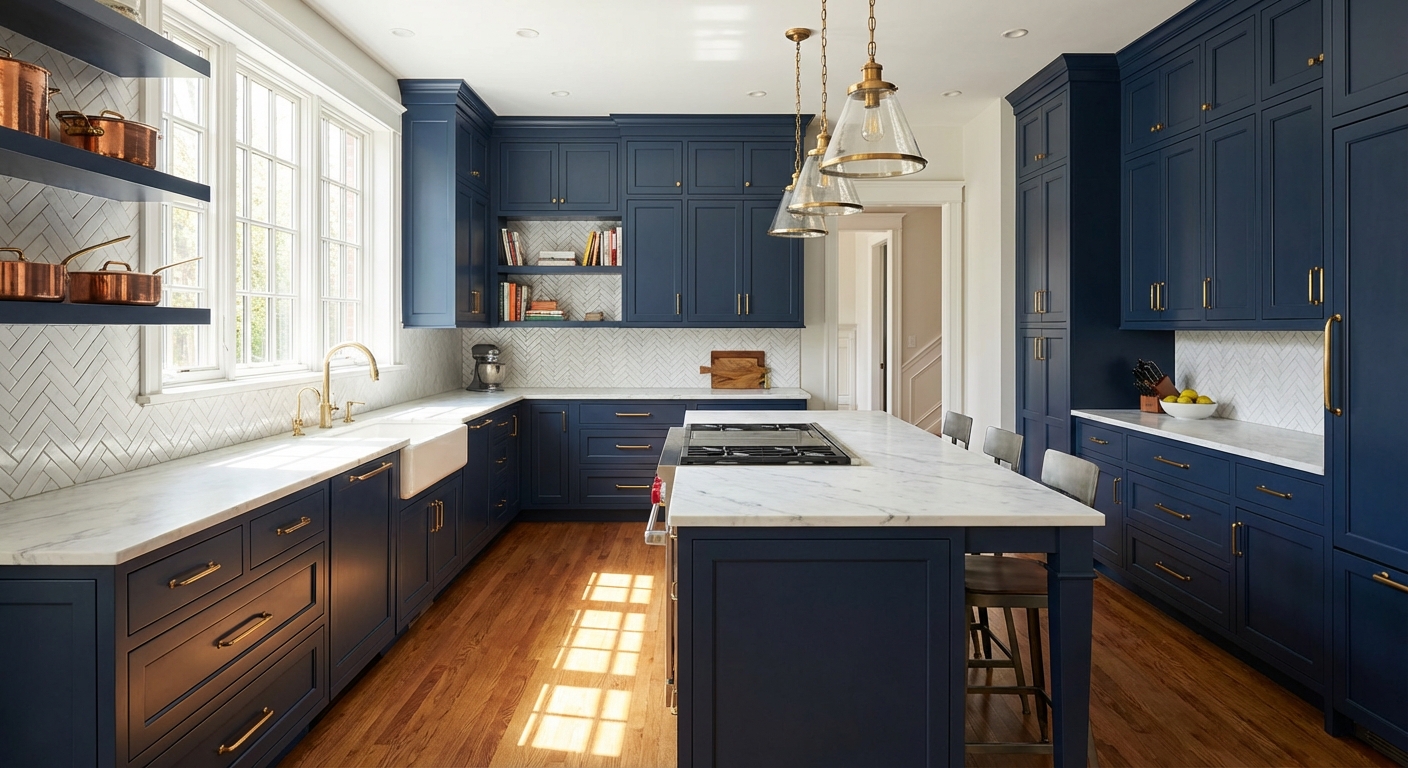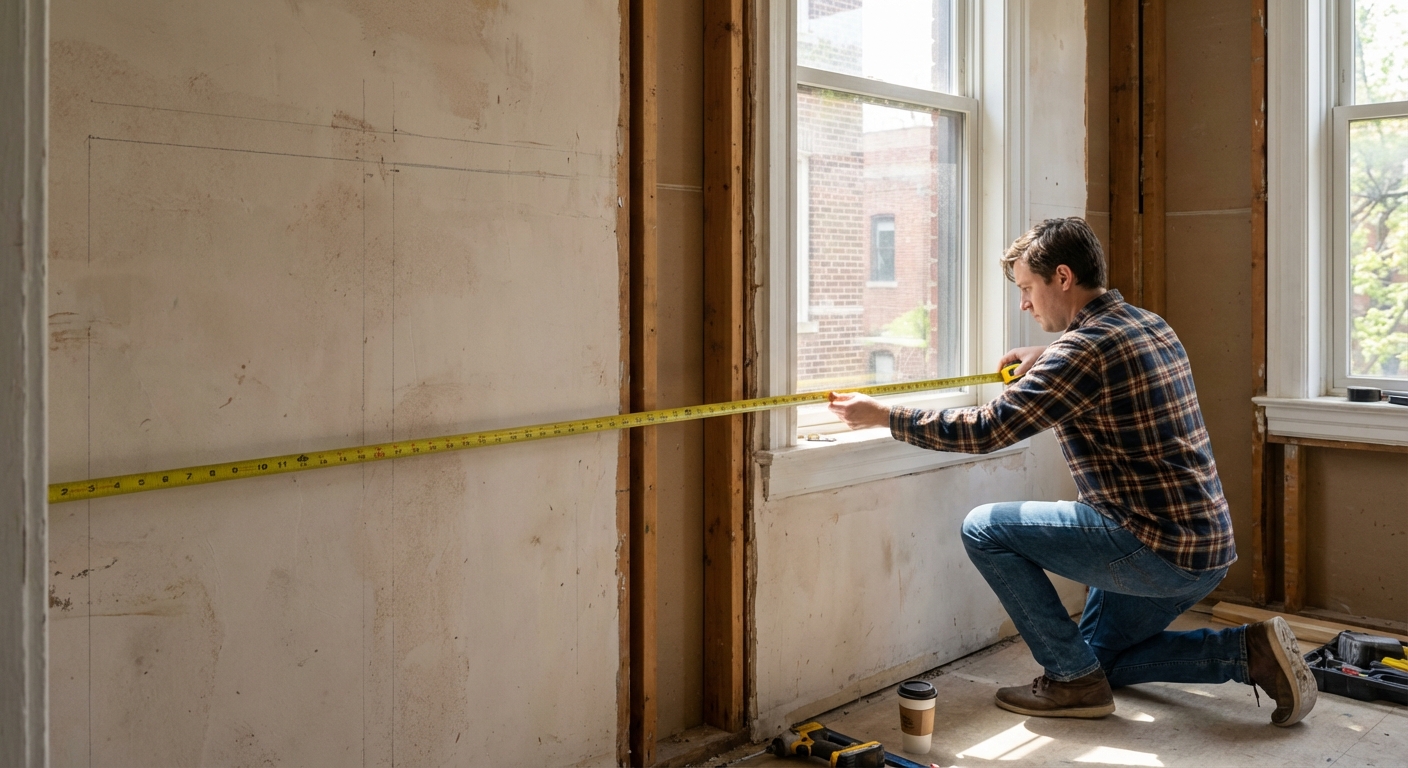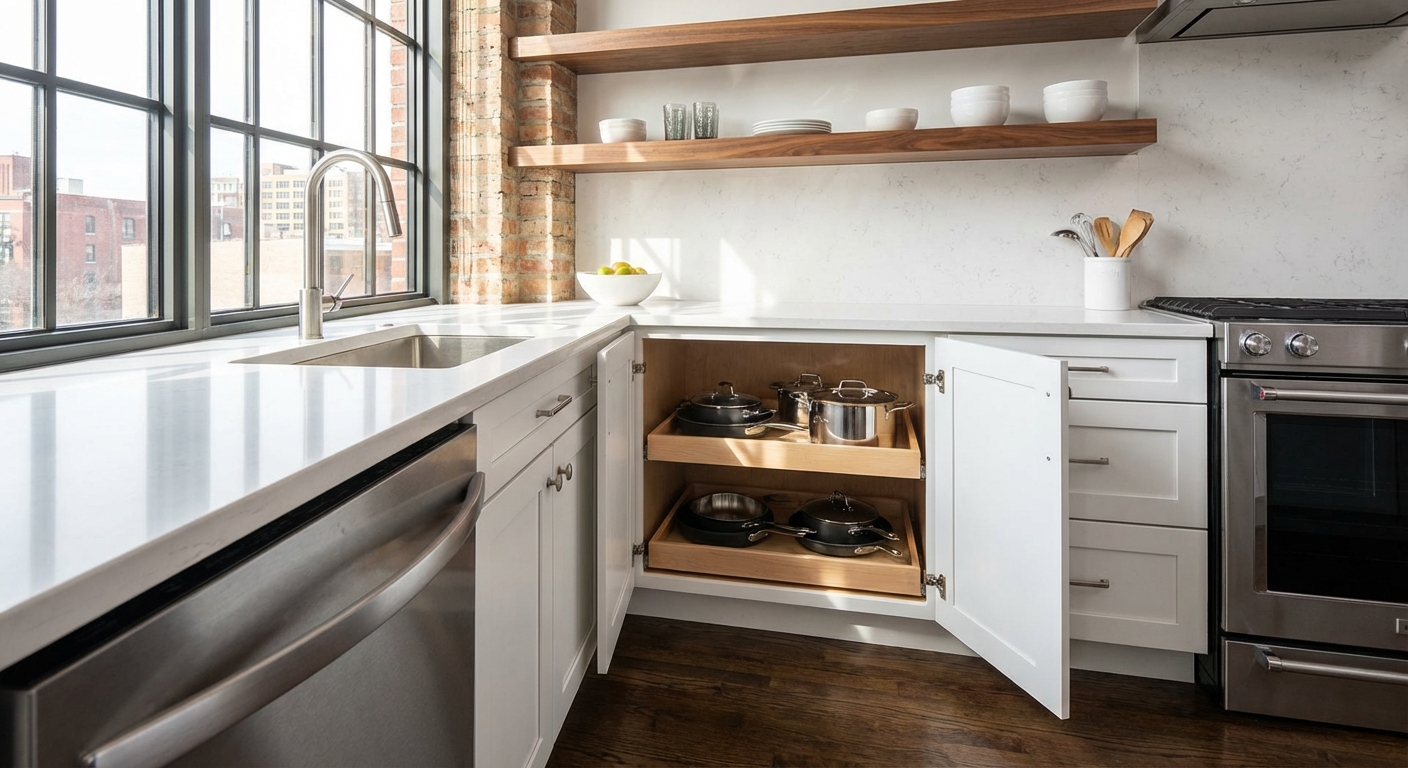
Corner cabinets are the most wasted space in Chicago kitchens. In older bungalows and two-flats, I regularly see 8 to 12 square feet of corner space that homeowners can barely reach, let alone use. Over my 8 years as a design consultant, I've helped hundreds of Chicago homeowners turn those dead zones into the most functional storage in their kitchen. Here's what actually works — and what I'd skip.
Why Corner Cabinets Matter More in Chicago Kitchens
Chicago kitchens tend to be compact. Whether you're in a Lincoln Park greystone, a Logan Square two-flat, or a Bucktown condo, square footage is at a premium. The typical L-shaped or U-shaped layout in these homes creates one or two corner intersections. Without the right solution, you lose roughly 20% of your total cabinet storage to a dark, unreachable void. That's storage you genuinely need in a 100- to 150-square-foot kitchen.
The Classic Lazy Susan: When It Still Makes Sense
The lazy susan gets a bad reputation, but the modern versions are far better than the wobbly plastic trays from the 1990s. A full-circle lazy susan works best in a 36-inch corner cabinet where both doors open simultaneously. I recommend it for storing dry goods, small appliances, and baking supplies — items you grab often but don't need to see all at once.
The kidney-shaped (or D-shaped) lazy susan is my preference for blind corner cabinets because the trays swing out independently, giving you full access without crawling on the floor. Expect to pay $150 to $400 for quality hardware, with Blum or Vauth-Sagel mechanisms lasting the longest. One thing I tell every client: if your corner cabinet opening is narrower than 15 inches, a lazy susan will frustrate you. Go with a pull-out instead.
Pull-Out and Swing-Out Shelves: The Modern Favorite
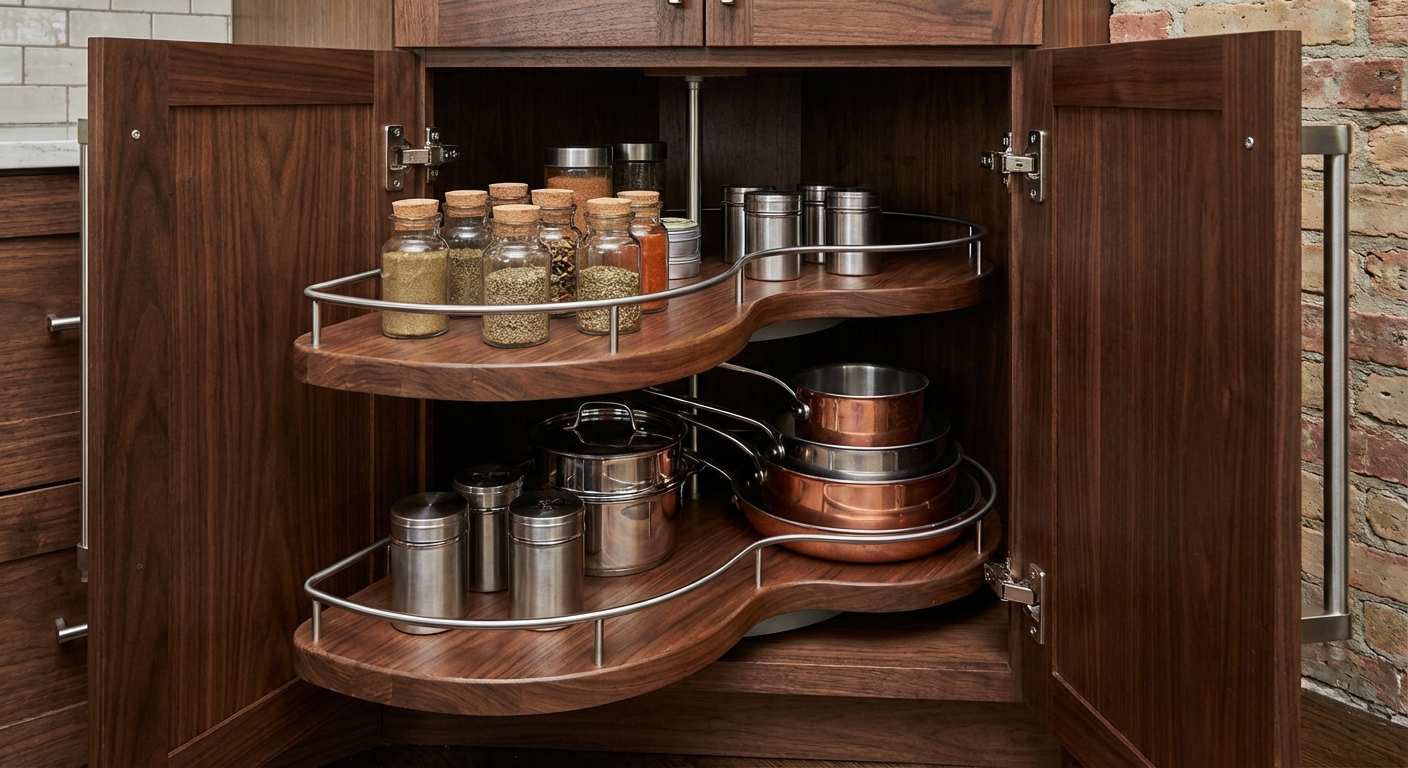
Pull-out corner systems like the "magic corner" or "LeMans" style are what I install most often in 2026 Chicago kitchen projects. Two sets of trays are connected: the front set glides out of the cabinet, then the back set follows on a curved track. You get full visibility and access to every inch.
These units cost more — typically $500 to $1,200 for the hardware alone — but they recover 90% or more of the corner space. For Chicago homeowners who cook regularly and need heavy-pot storage, this is the best investment per square foot. I pair them with soft-close Blum slides, which handle the weight of cast iron without slamming. See our custom kitchen cabinet options for configurations that fit these systems.
Diagonal Corner Cabinets: A Space-Saving Chicago Staple
A diagonal cabinet cuts the corner at a 45-degree angle and places a single door across the front. This is common in Chicago bungalows where the kitchen footprint doesn't allow deep L-shaped corners. The advantage: it's straightforward to build, less expensive, and works well with standard shelving.
The trade-off is that you lose a few inches of depth compared to a blind corner cabinet. I typically recommend diagonals when the kitchen has only one corner intersection and countertop continuity matters more than maximizing hidden storage. If you go this route, add a rotating shelf or half-moon pull-out inside to avoid dead space in the back.
Have questions? Call me at (224) 808-5100 or schedule a consultation.
Blind Corner Cabinets with Pull-Out Inserts
Blind corner cabinets are the default in most Chicago kitchen layouts. One cabinet box extends into the corner, and the adjacent cabinet covers part of it. Without an insert, everything you store in the back disappears. The fix is a pull-out insert — a wire or wood tray system that slides forward and then swings out, bringing the contents to you.
I've found that single-tier pull-outs work better than stacked versions for heavy items like mixers and Dutch ovens. For lighter items — Tupperware, baking sheets, cutting boards — a two-tier system maximizes vertical space. Budget $300 to $700 for quality inserts with full-extension slides.
The Appliance Garage: Hiding Clutter at the Corner
In open-concept Chicago condos and lofts, counter clutter is the enemy of good design. An appliance garage sits at the corner of the countertop with a roll-up or bi-fold door. It hides your toaster, coffee maker, and blender while keeping them plugged in and accessible. I add an interior outlet and under-cabinet lighting inside so everything is ready to use the moment you open the door.
This solution works best when the corner is near a window or where upper cabinets feel too heavy. It keeps the sightline clean — critical in smaller Chicago kitchens where visual openness makes the room feel larger.
Corner Drawers: The Underrated Option
Corner drawers are a European innovation that's gaining traction in Chicago. The drawer front is V-shaped or butterfly-shaped, and the box extends deep into the corner. You pull it open like any drawer and see everything inside at a glance. No reaching, no rotating, no swinging.
They're ideal for utensils, linens, and flatware. The catch is cost — custom corner drawers with Blum Tandembox slides can run $800 to $1,500 per unit. But if you prioritize ergonomics and have the budget, they're the most satisfying corner solution I've designed into a kitchen. At AK Cabinet Craft, our team has built these for several North Side projects, and they're consistently the feature homeowners show off first. Check out our project gallery for examples.
Open Shelving at the Corner: A Budget-Friendly Alternative
Not every corner needs a complex mechanism. In Wicker Park and Pilsen kitchens where homeowners want a more casual or eclectic look, I sometimes recommend open corner shelving. Floating shelves or a simple corner shelf unit keeps everyday dishes and glasses within arm's reach.
This approach costs the least — often under $200 in materials — and suits kitchens where the aesthetic leans toward open, airy, or industrial. The downside is dust and visual clutter. If you choose this route, limit yourself to three shelves and curate what you display.
How to Choose the Right Corner Solution for Your Kitchen
- Kitchen size under 120 sq ft: Pull-out inserts or corner drawers — maximize every inch.
- L-shaped layout with one corner: Diagonal cabinet or lazy susan — simple and cost-effective.
- U-shaped layout with two corners: Magic corner on the primary side, lazy susan on the secondary.
- Open-concept condo: Appliance garage at the counter corner plus pull-outs below.
- Budget under $3,000 for all cabinetry: Standard blind corner with a single pull-out tray insert.
In my experience, the biggest mistake homeowners make is choosing a corner solution based on a photo without measuring their actual cabinet opening. A magic corner needs a minimum 21-inch door opening. A lazy susan needs at least a 33-inch cabinet box. Always start with measurements.
Frequently Asked Questions
What's the most affordable corner cabinet solution?
A standard lazy susan insert in an existing cabinet costs $150 to $300 installed. If you're building new cabinetry, a diagonal corner cabinet with fixed shelves is the least expensive build. I recommend adding at least a basic turntable — it's a small cost that makes a meaningful difference in usability.
Can I retrofit a corner solution into my existing cabinets?
Yes, in most cases. Pull-out inserts, lazy susans, and swing-out trays can be installed in existing 33-inch or 36-inch corner cabinets. Corner drawers, however, typically require a new cabinet box. I always measure the interior dimensions and door opening before recommending a retrofit.
How long does it take to install a new corner cabinet system?
A retrofit insert takes 1 to 2 hours. A full custom corner cabinet replacement — including removal, fabrication, and installation — takes about 3 to 4 weeks, including our 21-day production cycle. At AK Cabinet Craft, our team handles everything from measurement to final adjustment.
Are corner drawers worth the extra cost?
If you cook daily and value ergonomics, absolutely. They eliminate the "dead zone" problem entirely and give you drawer-style access to deep corner storage. I've never had a client regret installing them — only clients who wish they'd done it sooner.
What corner solution works best for heavy cookware?
Pull-out systems with full-extension, heavy-duty slides rated for 75 pounds or more. I specify Blum Movento or Tandembox runners for these applications because they handle cast iron skillets and Dutch ovens without sagging over time.
Ready to Get Started?
Every Chicago kitchen corner is different — the cabinet dimensions, the layout, the way you cook. I'd love to look at your space and recommend the corner solution that fits your kitchen and your budget. At AK Cabinet Craft, we've completed 1,300+ projects across Chicago with a 5.0 Google rating, and every project starts with a free design consultation. Contact us today or call (224) 808-5100.